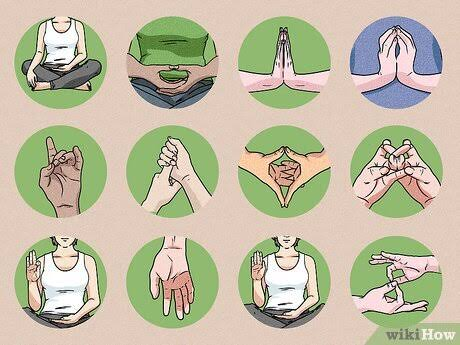
Yoga mudras are traditional hand gestures used in various yoga and meditation practices. The Sanskrit word mudra is commonly translated as a gesture or seal, and these hand positions can carry symbolic meanings connected with attention, intention, and spiritual traditions. For many practitioners, mudras offer a simple way to bring greater awareness to a session without requiring complicated movements. Learning about https://yoga365.online/ can provide useful context for understanding how these gestures fit into a broader practice.
Understanding the Role of Mudras in Yoga
Mudras appear in several Indian spiritual traditions, including yoga, meditation, and certain forms of classical dance. Their meanings can differ depending on the tradition, the gesture, and the context in which they are used. In yoga, hand gestures are often combined with seated postures, breathing exercises, or meditation.
Rather than treating every mudra as a technique with a guaranteed physical effect, practitioners can explore its symbolic meaning and the attention it brings to the present moment. Holding the hands in a particular position may serve as a gentle reminder to slow down, settle into a comfortable posture, and focus on the practice.
Common Yoga Mudras and Their Meanings
One widely recognized gesture is Gyan Mudra, often shown with the thumb and index finger touching while the remaining fingers extend naturally. It is commonly associated with knowledge, learning, and meditation. Practitioners may use it while sitting comfortably and observing their breathing.
Anjali Mudra, also known as the prayer gesture, involves bringing the palms together in front of the chest. It is often used to express respect, gratitude, or a sense of connection. The gesture also appears in greetings and ceremonial settings across different cultural contexts.
Another familiar gesture is Dhyana Mudra, in which the hands rest in the lap in a symmetrical position. It is associated with meditation and contemplative stillness. The exact hand placement can vary across traditions and depictions, so it is helpful to understand the gesture within its cultural and historical setting.
Connecting Hand Gestures With Mindful Breathing
Mudras are often practised alongside mindful breathing. Sitting in a stable, comfortable position and resting the hands gently can create an opportunity to notice the natural rhythm of inhalation and exhalation.
The goal is not to force the breath or achieve a particular sensation. Instead, practitioners can observe their breathing while allowing the hands, shoulders, and jaw to remain relaxed. If a hand position causes discomfort, it can be adjusted or released.
Exploring mindful breathing during meditation may help practitioners understand how gestures and attention can work together during a quiet session.
Practising Mudras With Cultural Awareness
Learning mudras involves more than copying a hand position. Understanding their origins and traditional meanings can deepen appreciation for the practices in which they appear. Different schools may interpret the same gesture in slightly different ways, making reliable instruction and cultural context valuable.
Beginners can start by choosing one familiar mudra, learning its traditional significance, and using it during a short period of comfortable meditation. The hands should remain relaxed, and the gesture should feel natural rather than forced.